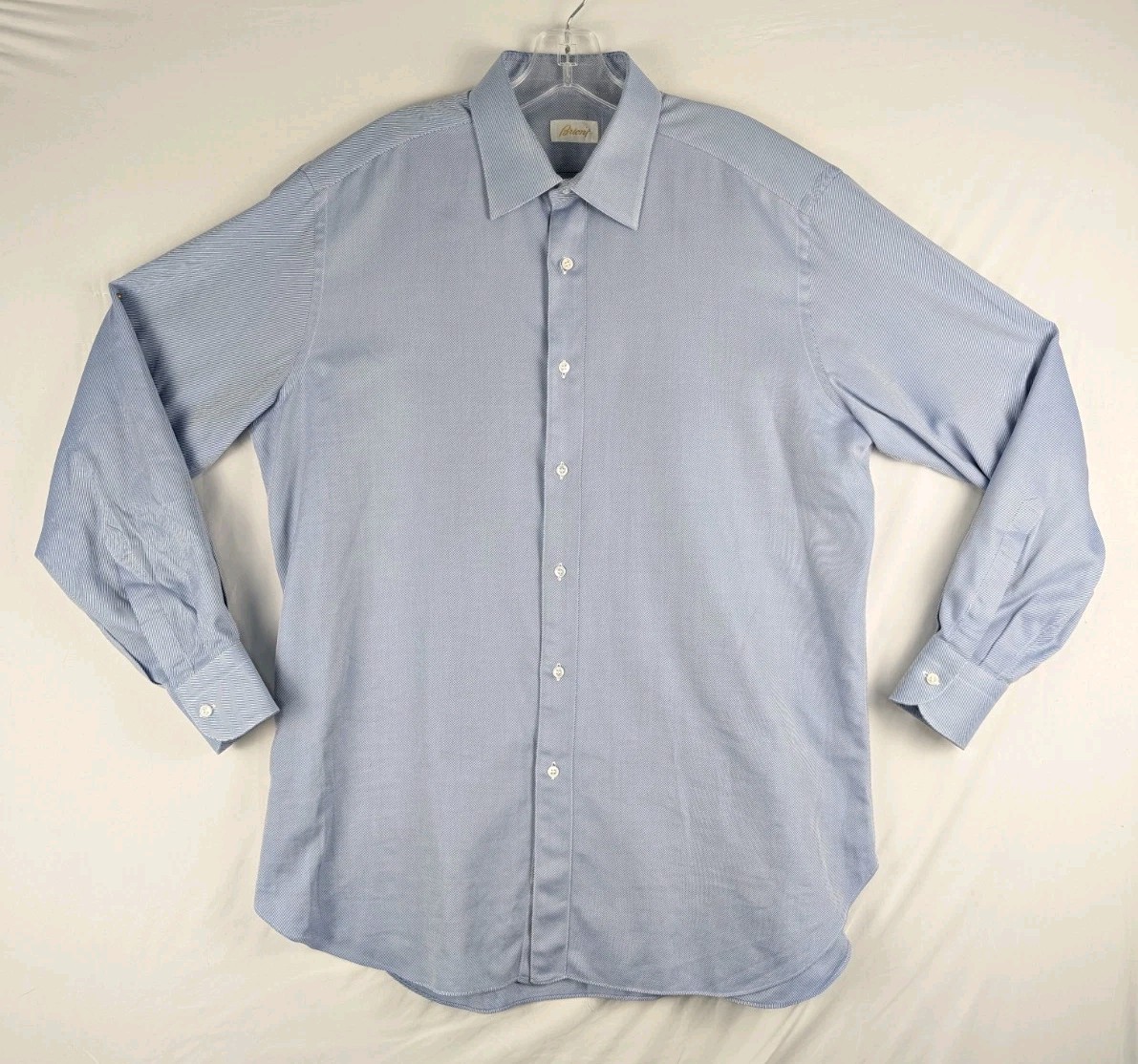
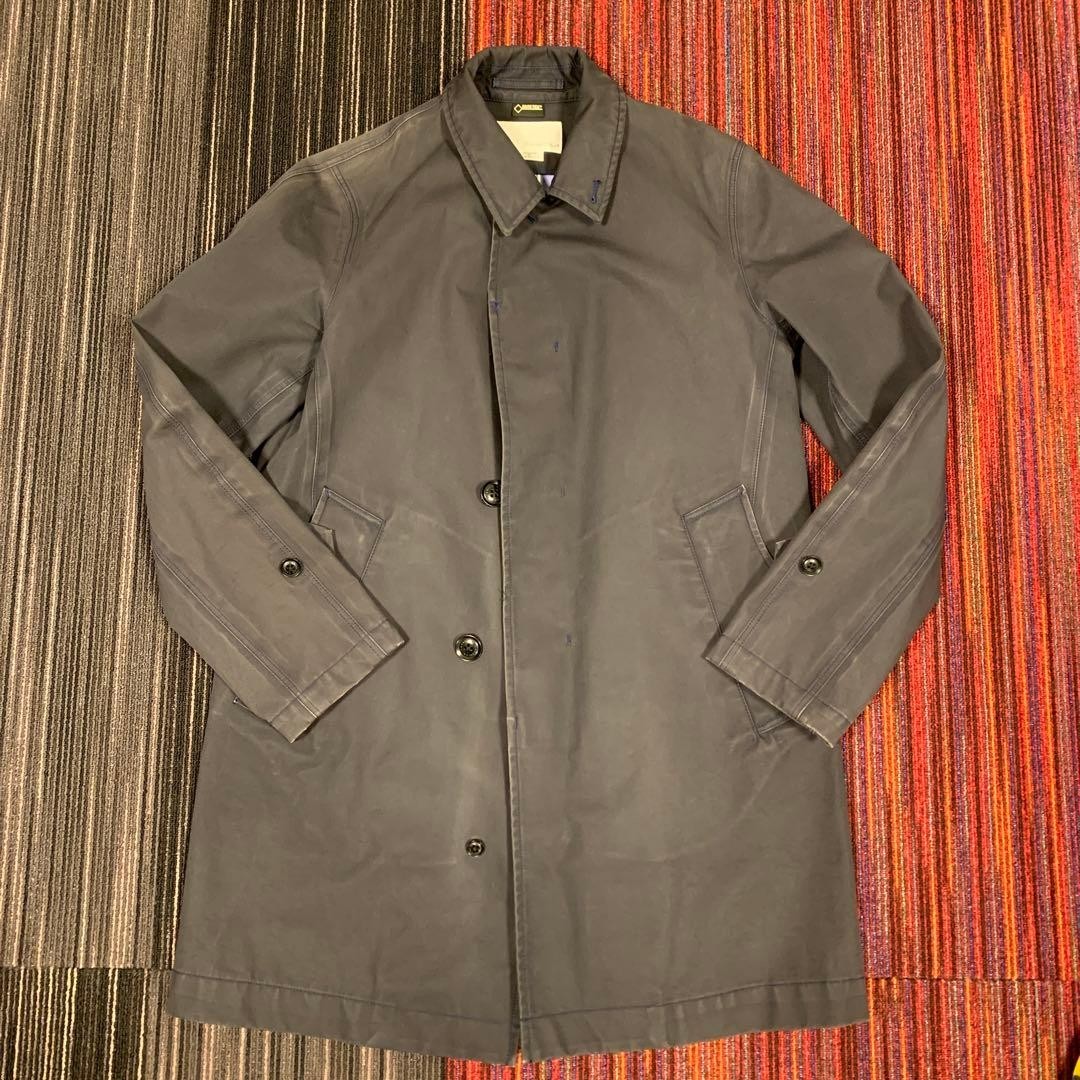
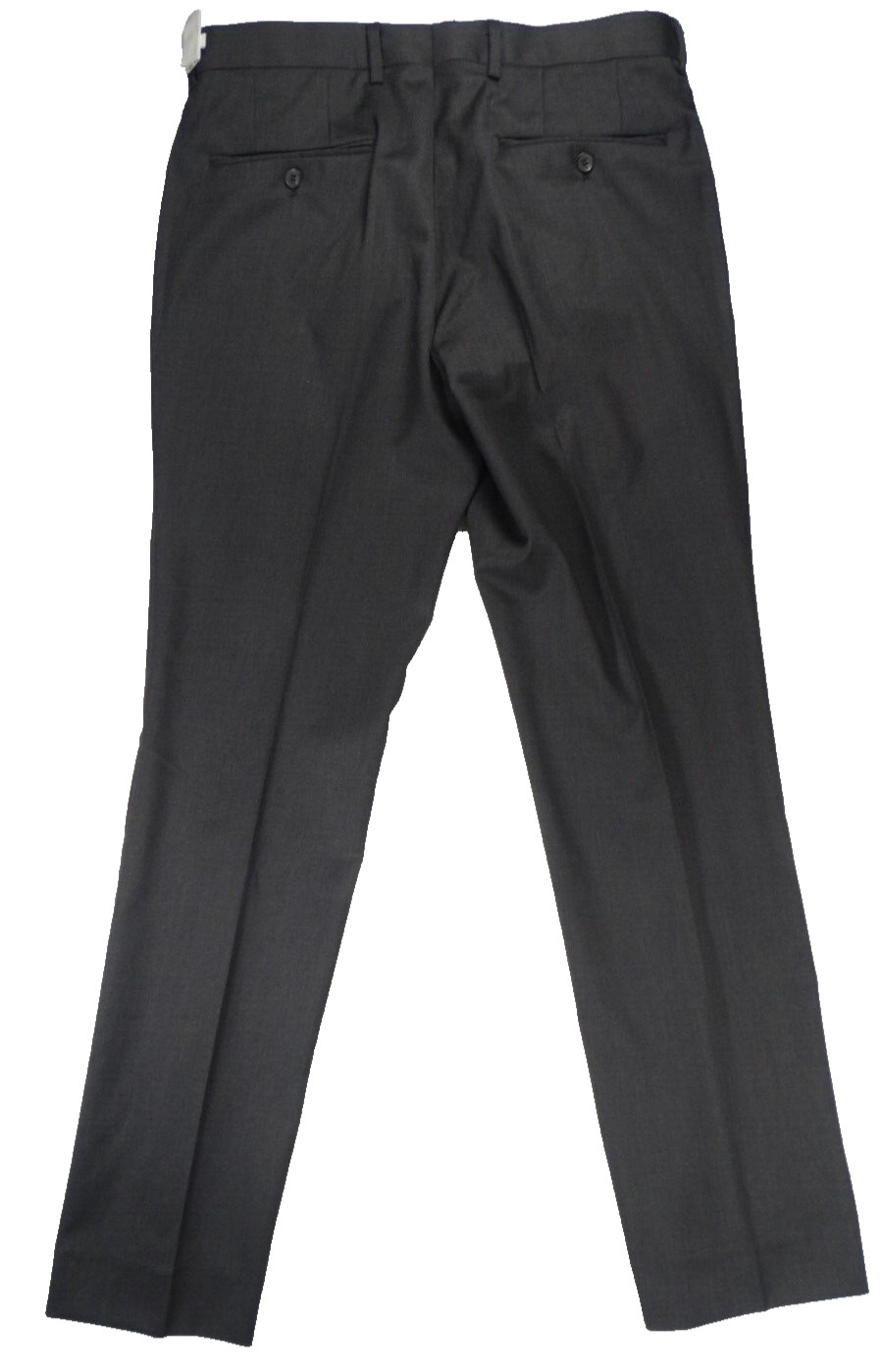
We start with garments you already trust, compare seller evidence against that baseline in
inches, and keep the limits of every recommendation visible before you buy.
Line up each listing against your reference garments and category-specific tolerances.
04
Score
Fit gates the recommendation first. Brand ranks context after fit clears. Condition is assessed from the description.
05
Surface
Return a shortlist that explains measurement deltas, uncertainty, source, and next action.
§ 04 — Verdict language
One clear vocabulary for the product verdict.
Every surface uses the same recommendation contract: PASS clears the fit gate, MARGINAL needs judgment, and FAIL should be skipped.
Example verdicts Sample
PASS
PASS
Open first
The listing sits inside the fit gate and has enough supporting evidence to inspect confidently.
Fit score · 3.5 – 5.0
Chest +0.2"
Length +0.3"
Sleeve −0.1"
MARGINAL
MARGINAL
Needs judgment
One fit dimension is close enough to consider, but the item should not rank like a clean match.
Fit score · 2.5 – 3.49
Chest +0.8"
Length −0.9"
Sleeve ok
FAIL
FAIL
Skip
The fit miss is large enough that brand, condition, or price should not rescue the listing.
Fit score · < 2.5
Shoulder +1.3"
Sleeve −1.5"
Rise missing
§ 05 — Boundaries
Confidence comes from saying what the system can and cannot know.
Can know
How seller measurements compare with garments that already fit you.
Whether a listing clears the hard fit gate before brand ranking.
Which measurements or images made the verdict weaker.
Where the item came from: saved search, watchlist, or discovery.
Cannot know
How the fabric feels in hand or whether alterations were done well.
Whether every seller measured from exactly the same points.
Future price drops, shipping surprises, or seller responsiveness.
Your personal styling preference on a deliberately oversized piece.
§ 06 — Saved searches
A repeatable hunt with seven days of history.
Saved searches make the workflow less dependent on memory. You can see whether today's
shortlist is unusual or simply another normal pass through the market. The run below is a
sample: illustrative figures, not live results.
Saved search Sample
Isaia blazers, size 40, US listings.
1 PASS2 MARGINAL81 FAIL
DayPulledPASSMARGINALFAIL
Today841281
Yesterday761273
2 days ago911387
3 days ago681166
4 days ago550253
5 days ago821279
6 days ago611159
§ 07 — eBay watchlist
Your watchlist becomes a review queue, not a mystery pile.
The sync path is intentionally narrow: bring listings in, score them, show evidence, and
leave final marketplace action to you.
Connecting eBay4 steps · 4 min
01Connect eBay from the hosted account.
02Sync active watchlist listings into thrift.fit.
03Evaluate new or changed items against your reference profile.
04Review the ranked shortlist and open eBay only when you choose.
What we will do
Show active, removed, and historical watchlist context where available.
Keep fit evidence visible before recommending action.
Let you add back or remove items from the review workflow.
What we will not do
Buy anything for you.
Change protected eBay account settings.
Pretend missing measurements are certain.
§ 08 — Privacy
Three places where the boundary should stay obvious.
i
Measurements
Reference garment data exists to compare fit. It should be specific enough to help you buy, not more personal than necessary.
ii
Marketplace access
eBay connection is used for watchlist and listing workflows. The page keeps the action boundary plain.
iii
Review history
Saved runs and verdicts make the shortlist auditable, while private shopping context stays inside your account.
§ 09 — Caveat
thrift.fit helps you decide what to inspect. It does not make secondhand buying certain.
Measurements, images, and listing text can be incomplete or wrong. Treat the verdict as a
fit-first signal, then use your judgment before bidding, offering, or buying.